
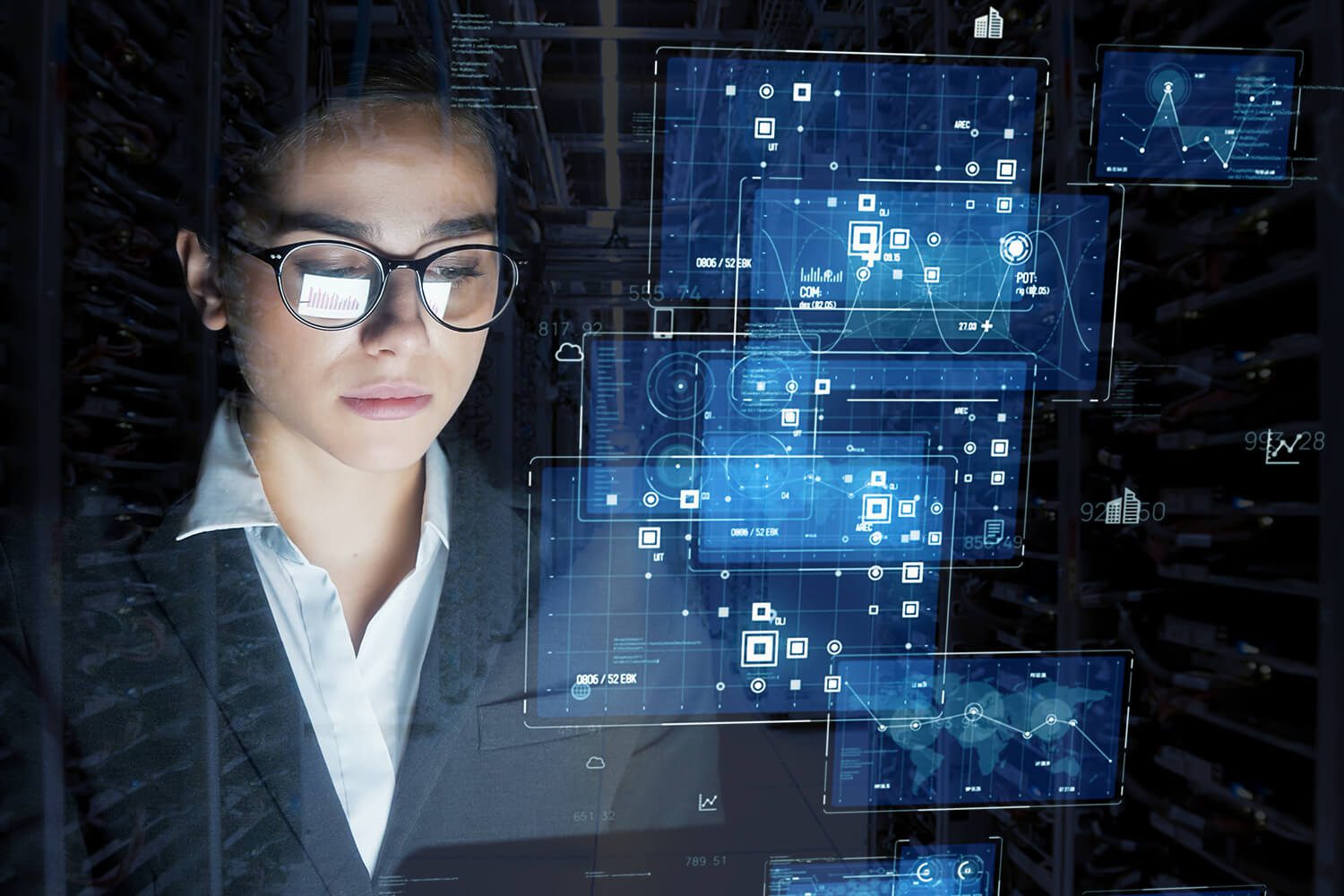
🌐 What Is Edge Computing and Why It Matters
Edge computing is a transformative technology that processes data closer to its source rather than relying solely on centralized cloud servers. This approach reduces latency, improves speed, and enhances real-time decision-making. For IT services, edge computing means faster data processing, reduced bandwidth costs, and improved user experiences. Businesses that adopt edge computing can deliver services with greater efficiency, especially in industries like healthcare, manufacturing, and retail where real-time data is critical. Understanding this technology is essential for IT leaders who want to stay competitive in a rapidly evolving digital landscape.
⚡ Faster Data Processing and Reduced Latency
One of the most significant benefits of edge computing is its ability to minimize latency. Traditional cloud computing requires data to travel long distances to centralized servers, causing delays in processing. Edge computing solves this by handling data locally, enabling instant responses for applications like IoT devices, autonomous vehicles, and smart factories. For IT services, this means improved performance for mission-critical systems and enhanced customer satisfaction. Reduced latency also supports emerging technologies that demand real-time analytics and decision-making.
🛡️ Enhanced Security and Data Privacy
Edge computing improves security by reducing the need to transmit sensitive data across networks to centralized servers. By processing data locally, businesses can minimize exposure to cyber threats and comply with strict data privacy regulations. IT services can implement advanced encryption and localized security protocols at the edge, creating multiple layers of protection. This approach is particularly valuable in sectors like healthcare and finance, where safeguarding personal information is paramount. Edge computing not only accelerates performance but also strengthens trust in digital systems.
☁️ Integration with Cloud Services
Edge computing doesn’t replace the cloud—it complements it. While edge handles real-time processing, the cloud remains essential for large-scale storage, analytics, and long-term data management. IT services must learn to integrate edge and cloud seamlessly to maximize efficiency. This hybrid approach allows businesses to enjoy the benefits of both technologies: speed and scalability. Understanding how to balance workloads between edge devices and cloud infrastructure is a critical skill for IT professionals in the modern era.
📈 Driving Innovation in IoT and Smart Devices
The rise of IoT devices has fueled the demand for edge computing. Smart sensors, connected appliances, and industrial machines generate massive amounts of data that require instant processing. Edge computing enables these devices to function efficiently without overwhelming cloud servers. For IT services, this means developing solutions that support edge-enabled IoT ecosystems, from predictive maintenance in manufacturing to real-time health monitoring in hospitals. Businesses that embrace edge computing can unlock new opportunities for automation and innovation.
🔍 Challenges and Considerations for IT Teams
Despite its advantages, edge computing presents challenges that IT teams must address. Managing distributed infrastructure, ensuring consistent security, and maintaining system reliability require advanced skills and tools. IT professionals must also consider hardware limitations, network connectivity, and compliance requirements when deploying edge solutions. Training and strategic planning are essential to overcome these hurdles and fully leverage the benefits of edge computing.
✅ The Future of IT Services with Edge Computing
Edge computing is reshaping the IT landscape, and its influence will only grow as businesses demand faster, smarter, and more secure solutions. From supporting AI-driven applications to enabling autonomous systems, edge computing will become a cornerstone of digital transformation. IT services that adapt to this trend will gain a competitive edge, delivering superior performance and reliability to clients. The future belongs to organizations that embrace edge computing as part of their core IT strategy.

