
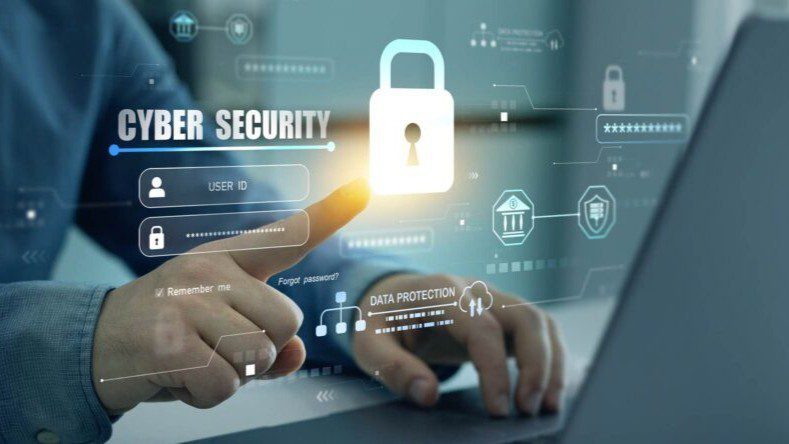
🖱️ The Hidden Danger Behind a Single Click
In today’s digital world, a single click can open the door to serious cybersecurity threats without you even realizing it. Whether it’s clicking on a suspicious email link, downloading an unknown attachment, or visiting an unsecured website, these seemingly harmless actions can lead to major consequences. Cybercriminals design attacks to look convincing, often disguising malicious links as legitimate ones from trusted sources. Once clicked, these links can install malware, steal personal data, or give attackers access to entire systems. The danger lies in how easy and quick these mistakes can happen, making awareness and caution essential for anyone using digital devices regularly.
🧑💻 Phishing Attacks: The Most Common Trap
Phishing attacks are one of the most widespread cybersecurity threats, targeting individuals and businesses alike. These attacks usually come in the form of emails, messages, or pop-ups that appear to be from trusted sources such as banks, companies, or service providers. The goal is to trick users into clicking a malicious link or sharing sensitive information like passwords or financial details. Once the information is obtained, attackers can misuse it for fraud or identity theft. Phishing works so effectively because it exploits human behavior rather than technical vulnerabilities, making it crucial for users to stay alert and verify the authenticity of every communication before interacting with it.
🔓 Weak Passwords and Easy Access Points
Another major reason people become vulnerable to cyber disasters is the use of weak or reused passwords. Simple passwords are easy for attackers to guess or crack using automated tools, and using the same password across multiple accounts increases the risk significantly. If one account is compromised, others can quickly follow. Strong, unique passwords act as a first line of defense against unauthorized access. Incorporating multi-factor authentication adds an extra layer of protection, making it harder for attackers to gain entry even if they have your login credentials. Taking password security seriously is a small step that can prevent major issues.
📧 Suspicious Links and Attachments
Emails and messages often contain links or attachments that may look harmless but are actually designed to compromise your system. Opening an attachment from an unknown sender or clicking on a link without verifying its source can lead to malware infections or data theft. Cybercriminals frequently mimic trusted brands to make their messages appear legitimate, increasing the chances of user interaction. Being cautious about what you click and avoiding unexpected downloads can significantly reduce your risk. It is always better to double-check the sender and context before taking any action, especially when dealing with sensitive information.
🔄 Outdated Software and Security Gaps
Using outdated software is another common vulnerability that can lead to cyber disasters. Software updates often include important security patches that fix known vulnerabilities. When these updates are ignored, systems remain exposed to threats that cybercriminals can easily exploit. Regularly updating operating systems, applications, and security tools ensures that known weaknesses are addressed promptly. Keeping systems up to date may seem like a minor task, but it plays a critical role in maintaining a secure digital environment and preventing unauthorized access.
🛡️ The Importance of Cyber Awareness and Training
Technology alone cannot prevent cyber threats—user awareness and education are equally important. Many cyberattacks succeed because individuals are not fully aware of the risks or how to identify suspicious activity. Training employees and users on cybersecurity best practices, such as recognizing phishing attempts and handling sensitive data securely, can greatly reduce vulnerabilities. Awareness creates a proactive mindset where individuals think before they click, making it harder for attackers to succeed. Building a culture of cybersecurity awareness is essential for both individuals and organizations aiming to protect their digital assets.
🌟 Staying Protected in a Digital-First World
In a world where digital interactions are part of everyday life, staying protected requires a combination of smart habits and reliable security measures. From using strong passwords and updating software to being cautious with emails and links, every small action contributes to overall safety. Cyber threats are constantly evolving, but so are the tools and strategies to combat them. By staying informed and adopting preventive practices, individuals can significantly reduce their risk of falling victim to a cyber disaster. Ultimately, avoiding that one dangerous click comes down to awareness, vigilance, and a commitment to digital safety.

