🎯 Align Technology With Business Objectives
One of the most effective ways to maximize the value of IT investments is to ensure that every technology decision directly supports business goals. Many organizations invest in software, hardware, or digital services without clearly defining how those tools will contribute to growth, efficiency, or customer satisfaction. When technology is aligned with strategic objectives, it becomes easier to measure success and justify spending. Businesses should regularly assess whether their IT systems are helping improve productivity, streamline operations, reduce costs, or enhance customer experiences. By connecting technology investments to specific outcomes, organizations can avoid unnecessary purchases and ensure that every dollar spent contributes to long-term success.
⚙️ Focus on Employee Adoption and Training
Even the most advanced technology will fail to deliver value if employees do not understand how to use it effectively. Many organizations underestimate the importance of training and user adoption, leading to underutilized systems and missed opportunities. Investing in employee education helps teams gain confidence in new tools and encourages consistent usage across departments. Ongoing training sessions, support resources, and clear communication about the benefits of technology can significantly improve adoption rates. When employees fully leverage the capabilities of IT solutions, businesses achieve higher productivity and greater returns on their investment.
📊 Measure Performance and Return on Investment
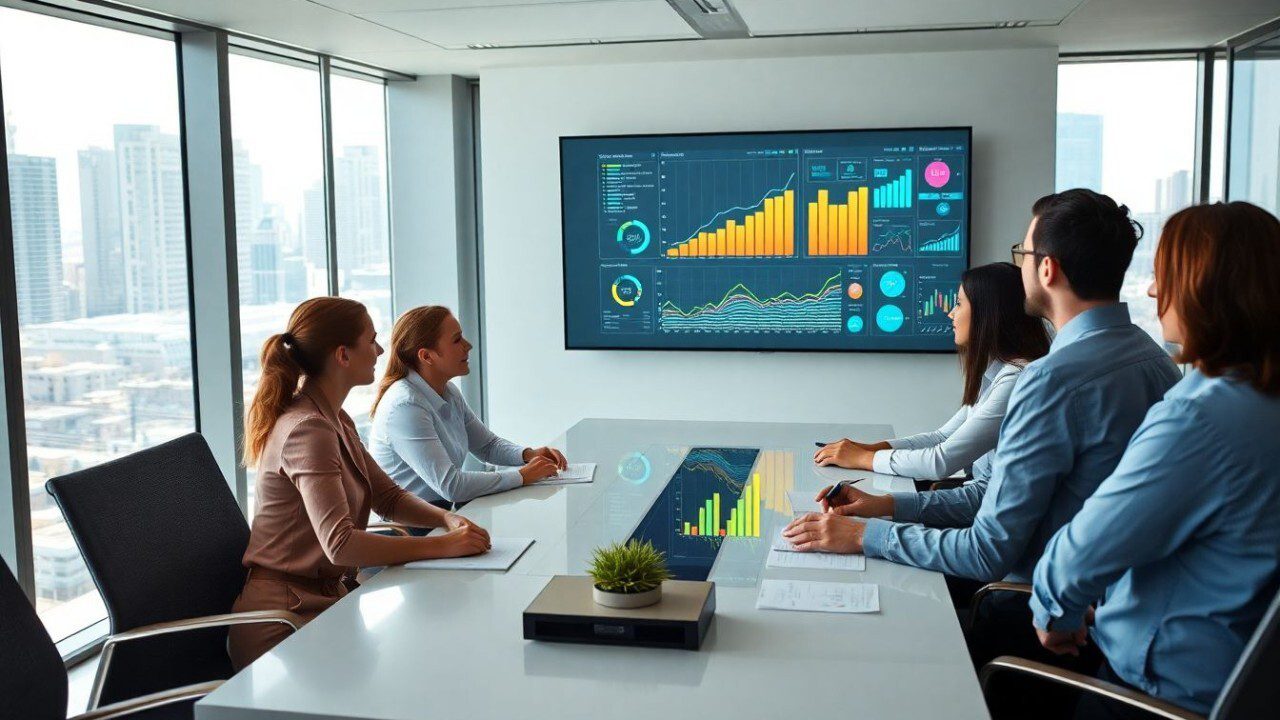
Tracking the performance of IT investments is essential for understanding whether they are generating real business value. Organizations should establish key performance indicators (KPIs) that measure factors such as productivity improvements, cost savings, customer satisfaction, system uptime, and operational efficiency. Regular evaluation allows businesses to identify which technologies are delivering results and which may require adjustment or replacement. Without measurement, it is difficult to determine whether an investment is truly beneficial. A data-driven approach ensures that technology spending remains focused on outcomes that support business growth and profitability.
☁️ Choose Scalable and Flexible Solutions
Technology needs change as businesses grow, making scalability a critical consideration when investing in IT. Choosing systems that can expand alongside the organization prevents costly replacements and minimizes disruptions in the future. Cloud-based platforms, subscription services, and flexible software solutions often provide scalability without significant upfront costs. These technologies allow businesses to add users, increase storage, or expand capabilities as needed. Investing in scalable solutions ensures that the technology continues to provide value over the long term and supports the organization’s evolving requirements.
🔒 Prioritize Security and Risk Management
Cybersecurity should be a core component of every IT investment strategy. A system that improves efficiency but leaves the organization vulnerable to cyber threats can ultimately become a costly liability. Modern technology investments should include security features such as encryption, multi-factor authentication, regular updates, and threat monitoring. Protecting data, systems, and customer information helps avoid financial losses, operational disruptions, and reputational damage. By incorporating security into every technology decision, businesses safeguard their investments and create a more stable environment for long-term growth.
🔄 Integrate Systems for Better Efficiency
Many organizations use multiple software platforms that operate independently, creating data silos and reducing efficiency. Integrating systems allows information to flow seamlessly between departments, eliminating duplicate work and improving collaboration. Whether connecting customer relationship management systems with accounting software or linking communication tools with project management platforms, integration enhances productivity and provides better visibility into business operations. When technology works together as part of a connected ecosystem, organizations gain more value from each individual investment and improve overall performance.
🌟 Continuously Review and Optimize Technology
Getting maximum value from IT investments is not a one-time effort—it requires continuous evaluation and improvement. Technology evolves rapidly, and systems that were effective a few years ago may no longer meet current business needs. Regular audits, performance reviews, and feedback from employees help identify opportunities for optimization. Businesses should be willing to update processes, refine workflows, and adopt new capabilities when they offer clear advantages. By treating technology as an ongoing strategic asset rather than a static purchase, organizations can ensure that their IT investments continue to deliver measurable value, support innovation, and drive long-term business success.

